Crescent NP11 Nail Pulling Pliers Best Overall
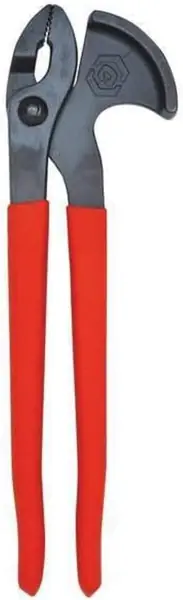
- Material
- Forged steel
- Weight
- 16 oz
- Overall Length
- 11 inches
- Handles
- PVC grips
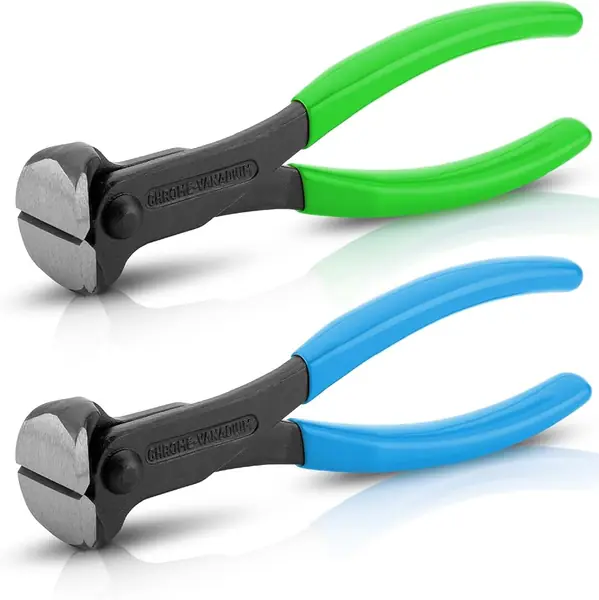
A bare nail shaft is the one thing a claw bar cannot hold, and these pliers are built around that gap. The jaws close on whatever is left when a finish nail snaps off below the surface, when a brad sits tight in trim, or when a head crushes under a misjudged hammer swing. We keep them within reach on salvaged molding and weathered pallet slats, where the fasteners are usually in worse shape than the wood around them.
The dual handles on the NP11 do the rest of the work. You clamp, roll the tool back, and the nail rides out with the jaw instead of being levered against the face you plan to keep, which is the difference between a saved board and a repair. We were struck by how much of this tool is one forged piece, head and handles together, with rubberized grips over the top that wipe down after a dusty afternoon.
Staples are the sleeper use. Floor staples, coaxial staples, and the wire staples that hold down carpet pad all sit low enough that a bar skates over them, and the jaws pinch and roll them out. That range, from brads to staples to 16-penny nails, is why these pliers are the first tool we hand someone building a nail-pulling kit.
What they cannot do is start a nail with nothing showing. A head cut truly flush leaves no shaft to clamp, so something else has to lift it first, and heavy prying is not this tool's job either. That is the boundary, and it is a narrow one; on this side of it, nothing else here comes close.
What We Like
- Jaws grip a snapped or damaged shaft
- Roll-back handles lever nails without a hammer
- Forged head and handles in one piece
Worth Noting
- Cannot grip nail heads cut completely flush
- Not built for heavy demolition prying
Our default nail puller: the jaws grab headless and damaged fasteners that a claw bar slips off, and the roll-back handles give trim and demo work real leverage.
Check Latest Price