↑↓ navigate ↵ open Esc close All results →

Best Finishes for Cherry Wood of 2026

Skipping a test board is the fastest way to ruin a cherry project, because a finish that looks crystal clear in the can can turn cherry's natural red bright orange, blotch across reversing grain, or leave brush streaks under raking window light. A finish on cherry has to manage color shift, seal uneven pores, and cure predictably in a home shop or spare room.

Testing 14 clear topcoats, tinted stains, penetrating oils, and oil-and-wax blends over four months on cherry offcuts, a side table, and cabinet doors made the trade-offs obvious. Beyond color warmth, low solvent odor, single-coat evenness, and a recoat window fast enough to fit a single weekend separated clean results from frustrating cures.

Whether the job calls for a bare-wood clear film, a hardwax blend for hand-rubbed sheen, or a forgiving penetrating oil, matching the formula to cherry's tight, blotch-prone grain keeps the panel even overnight.

Our Top Picks

The Best Finishes for Cherry Wood

1.

Minwax Polycrylic Protective Finish Best Overall
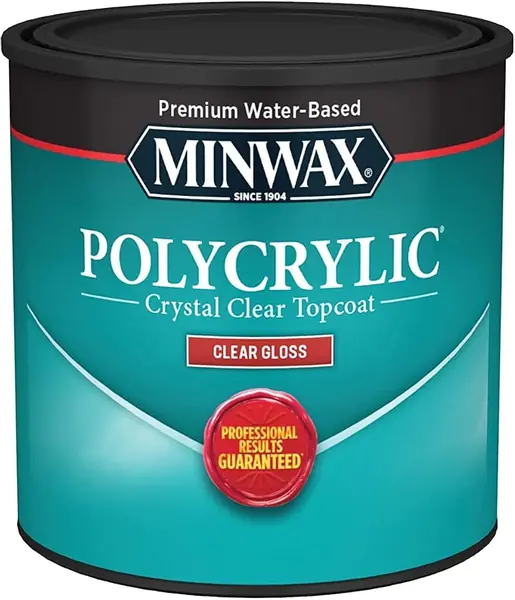
Minwax Polycrylic water-based clear gloss protective finish in a half-pint can

Cherry furniture topcoat

Shop Score 98/100
Size
8 fl oz (1/2 pint)
Finish Type
Water-based clear topcoat
Sheen
Gloss
Recoat Time
2 hours
View on Amazon

Cherry is one of the few woods where a finish's best move is to get out of the way. A freshly planed board is pale and pinkish; months of daylight turn it a deeper red-brown, and it keeps going for years. Any amber or tinted coat front-loads that shift and keeps adding to it. Minwax Polycrylic is water-based, dries crystal clear, and stays clear, which is why we made it our default for cherry furniture, cabinets and trim that need real protection.

The working side of it is just as appealing. The recoat window is two hours, so three coats fit inside one afternoon instead of across a weekend, and brushes rinse under the tap rather than soaking in mineral spirits. We also like that it goes over both oil-based and water-based stains, so the schedule stays flexible if you decide to add color before you seal.

Expect the gloss to photograph everything. Sand to a uniform surface, vacuum the dust, and wipe with a tack cloth before the first coat, because a clear film has nowhere to hide a scratch or a sanding swirl. Over an oil-based stain, let the stain dry completely first — a trapped solvent under a water-based film is how a finish ends up milky.

Worth Noting

  • Only a gloss sheen in this listing
  • Half-pint can covers a small project
Our Verdict

For most cherry projects we reach for this clear water-based coat: it protects the wood without tinting it, so the red keeps deepening on its own.

Check Latest Price
2.

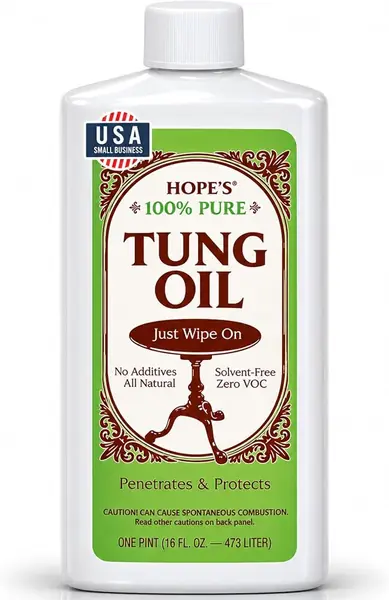
Hope's 100% Pure Tung Oil Best Oil Finish

Hope's 100 percent pure tung oil in a 16-ounce bottle

Hand-rubbed furniture

Shop Score 97/100
Size
16 fl oz
Finish Type
100% pure tung oil
Food Contact
Safe once fully cured
Water Resistance
Water resistant
View on Amazon

Oil does something to cherry that no film can copy: it soaks in, darkens the grain lines, and leaves a satin surface you can still feel the wood through. Hope's is 100 percent tung oil with nothing added, and it is the one we pick when the piece is going to be handled — a bowl, a cutting board, the worn edge of a desk.

We were struck by how far a bottle goes. Thin coats wiped on, left to absorb, then wiped dry and buffed build a flexible finish that moves with the wood instead of sitting on top of it. There are no driers in the can, so the trade-off is time: this oil cures slowly, and a coat that felt dry after a day can still be soft well after that. Warmth and moving air help enormously; a cold shop can stall it for a week.

As a bare-wood finish it leaves nothing to chip or flake, but it also builds no film, so a table finished with tung oil alone will want a refresh whenever it starts to look thirsty and will water-spot if a glass sits on it overnight. Once fully cured it is considered non-toxic, which is why it is our first suggestion for anything that meets food.

Worth Noting

  • Slow cure with days between coats
  • No film protection for hard wear
Our Verdict

If you want cherry to look deeper rather than glossier, we point you to this pure tung oil — and we tell you to plan on days, not hours, between coats.

Check Latest Price
3.

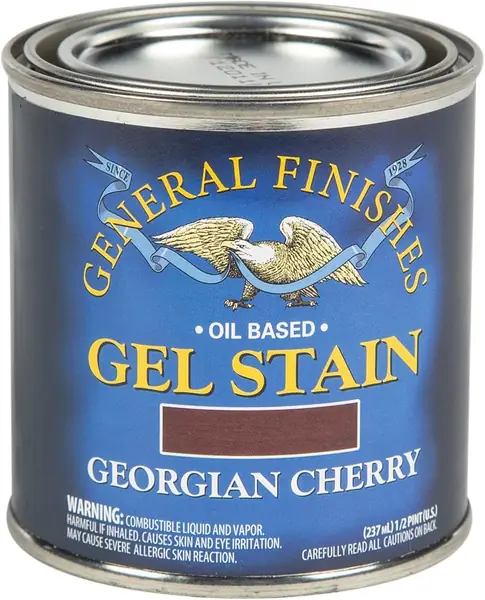
General Finishes Oil Base Gel Stain Best Gel Stain

General Finishes oil-based gel stain in a Georgian Cherry half-pint bottle

Vertical surfaces

Shop Score 96/100
Size
1/2 pint
Coverage
35–50 sq. ft.
Color
Georgian Cherry
Finish Type
Oil-based gel stain
View on Amazon

Staining a cabinet door with a liquid stain is a race against gravity: it runs, it pools along the bottom edge, and the wipe-off leaves lap marks you notice a week later. General Finishes sidesteps the whole problem by making the stain heavy-bodied. It sits on the surface long enough to work with a cloth or a foam brush, doesn't drip, and lets you decide how much color stays.

Georgian Cherry is a warm, mid-depth red-brown that adds depth to real cherry rather than moving it into another color family, and it reads just as convincingly on maple or oak that never saw a cherry tree. The gel is also forgiving in a way liquid stains are not: it stays workable long enough to even out a patchy first pass instead of soaking in and setting where it lands.

What you give up is depth of penetration. A gel sits closer to the surface, so the result is nearer a thin colored coat than dye in the fiber, and on figured cherry it can flatten some of the shimmer you bought the wood for. We think that is the right trade on a cabinet door and the wrong one on a show-grain tabletop.

Worth Noting

  • Slow drying between coats
Our Verdict

Doors, legs and anything standing up are where this gel earns its keep — it stays where you put it and builds even color on cherry that would otherwise blotch.

Check Latest Price
4.

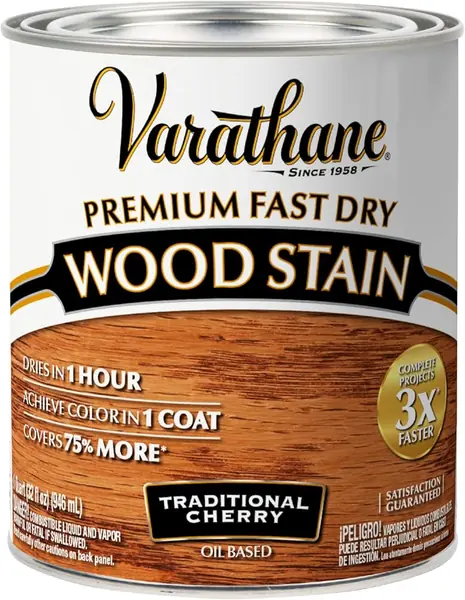
Varathane Premium Fast Dry Wood Stain Best Fast-Drying Stain

Varathane fast dry wood stain quart can in Traditional Cherry

Fast stain jobs

Shop Score 95/100
Size
1 quart
Coverage
Up to 275 sq. ft.
Color
Traditional Cherry
Dry Time
1 hour to touch
View on Amazon

Most of the stains on this page ask you to come back tomorrow. Varathane's fast-dry formula is ready to topcoat in about an hour, and a single quart is listed at up to 275 square feet — far beyond the quart of Minwax Wood Finish and in a different league from a half pint of gel. Staining a run of cabinet doors on a Saturday, that difference decides whether the weekend is enough.

We like Traditional Cherry for what it does to pale secondary woods: it pushes maple or birch toward a warm red-brown so a mixed piece reads more evenly under one color. On cherry itself, one coat is usually all the shift you want, and the pigment load lays color down fast while sealing the pores as it goes, so a second coat darkens quickly if you leave the wipe-off late.

Fast has a price. This stain grabs quickly, so work in sections small enough to keep a wet edge, and wipe off sooner rather than later if you want the grain to stay visible. Color also lands darker and redder on some stock than the can swatch suggests, so run a scrap of the same board through the full schedule — stain, topcoat, dry — before you commit to a tabletop.

Worth Noting

  • Needs a separate topcoat for durability
Our Verdict

When the goal is cherry color on the wood and a topcoat the same day, we hand people this one: one coat, an hour to touch, and the widest coverage here.

Check Latest Price
5.

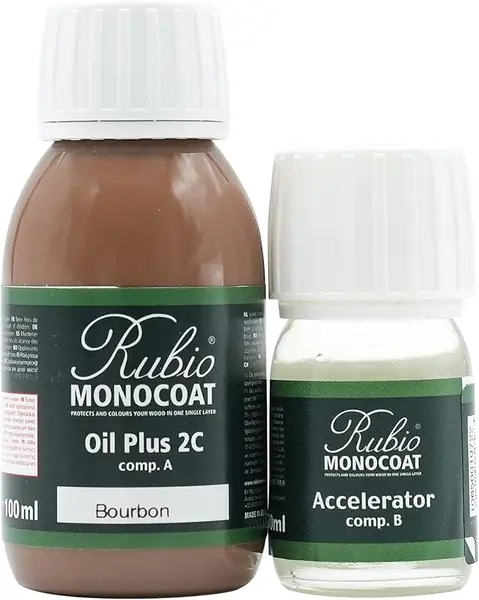
Rubio Monocoat Oil Plus 2C Best One-Coat Finish

Rubio Monocoat Oil Plus 2C hardwax oil in a 130-milliliter bottle

One-coat furniture

Shop Score 94/100
Size
130 mL
Coverage
39–65 sq. ft.
Color
Bourbon
VOC
0% VOC
View on Amazon

The sticker on a small bottle of Rubio is the first thing anyone notices, and it is fair: you pay more for a few ounces than for a quart of stain. What the money buys is a finish that colors and protects in a single application. Part A and Part B get mixed, buffed on, and buffed off, with no second coat and no sanding between coats, which is why professionals use it on floors they cannot afford to shut down.

We were surprised by how little it took to cover a panel. The listed spread rate is 39 to 65 square feet from 130 milliliters, and the excess buffs off dry rather than tacky. Bourbon is a warm mid-brown that keeps cherry's figure visible underneath, and the matte sheen reads as wood rather than as a coating — the thing that makes a hardwax oil worth its price on furniture someone will touch every day.

Two notes before you order. The color that lands depends heavily on the wood under it, so a Bourbon test on pine tells you almost nothing about Bourbon on cherry; test the species you are actually finishing. And at this volume a mistake is expensive, so mix only what the surface needs and work one face at a time.

Worth Noting

  • Expensive for the volume in the bottle
Our Verdict

One coat that colors and seals is a real shortcut, and we think this hardwax oil is worth the splurge where the matte, bare-wood look is the point.

Check Latest Price
6.

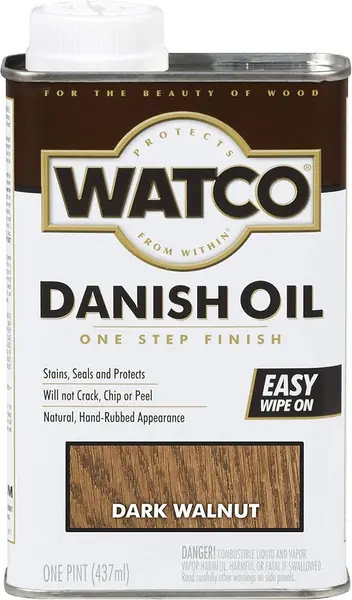
Watco Danish Oil Wood Finish Best All-In-One

Watco Danish oil wood finish pint can in Dark Walnut

One-step oil finish

Shop Score 93/100
Size
1 pint
Color
Dark Walnut
Finish Type
Oil and varnish blend
Dry Time
6 hours to touch
View on Amazon

Danish oil is a blend of oil and varnish: the oil carries color into the pores, the varnish hardens in place. Watco's version stains, seals and protects in the same pass, which makes it the least fussy route to a hand-rubbed look on a cherry table, shelf or picture frame. It is also formulated for tight-grained stock, and cherry is nothing if not tight-grained.

The appeal is the feel. Nothing sits on top, there are no brush marks to sand out, and a worn patch gets fixed by wiping on more oil rather than stripping the piece. Dark Walnut is the tone in this listing, and it does exactly what the name promises: it pushes cherry toward brown and mutes some of the red. That is a look, and a good one on a period piece, but it is a different look from the wood's own.

Two cautions. Don't take it to floors — the listing says as much, and a pint of oil-and-varnish will not survive foot traffic. And because color and protection arrive together, you cannot test the tone without also committing to the finish, so try it on the underside of the top before you do the show face.

Worth Noting

  • Dark Walnut pushes cherry toward brown
Our Verdict

We recommend this Danish oil when a cherry piece wants a warmer, deeper tone and a finish you can feel the grain through, all in one wipe-on step.

Check Latest Price
7.

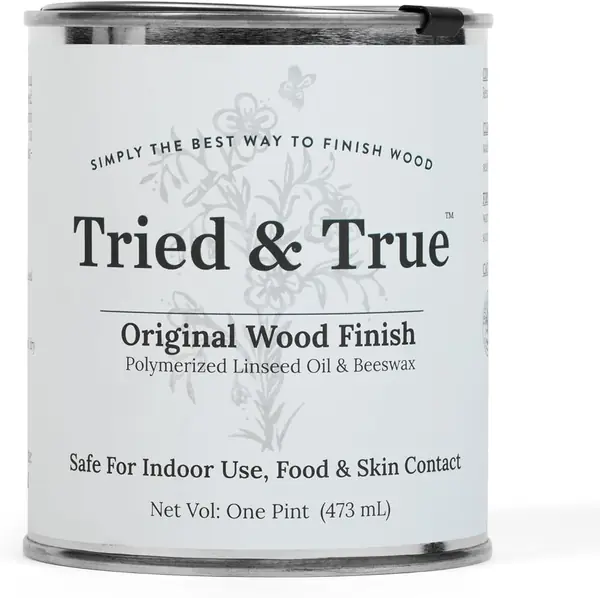
Tried & True Original Wood Finish Best Non-Toxic Finish

Tried and True Original wood finish pint of linseed oil and beeswax

Food-contact pieces

Shop Score 92/100
Size
16 fl oz
Coverage
Up to 125 sq. ft.
Sheen
Matte
Base
Polymerized linseed oil and beeswax
View on Amazon

Most oil finishes arrive with a warning label and a window you need to open. Tried & True is polymerized linseed oil thickened with beeswax and nothing else — no driers, no petroleum solvents — so the smell is closer to a bakery than a paint aisle. That matters in a basement shop or an apartment, and it matters more when the piece is a cutting board, a knife handle or a child's toy.

We noticed how forgiving it is to apply. Sand to 320 or finer, wipe it on, buff it dry, wait a day, burnish with synthetic wool, repeat as many times as you have patience for. The beeswax gives it a soft, low-luster surface with more body than plain oil, and it never goes plastic-looking, which is the reason we choose it on cherry over a film.

The patience tax is real. Polymerized oil cures by absorbing oxygen rather than by flashing off solvent, and in a cool or damp room that takes days instead of hours; thin coats and a thorough buffing are what keep it from staying tacky. What you get back is a finish that never needs stripping — a dry patch takes another wipe of oil and disappears.

Worth Noting

  • Slow cure in cool or humid weather
Our Verdict

For a cherry piece that gets handled or lives in a small room, we reach for this linseed-and-beeswax finish: no solvents, no smell, and a worn spot you can fix with a rag.

Check Latest Price
8.

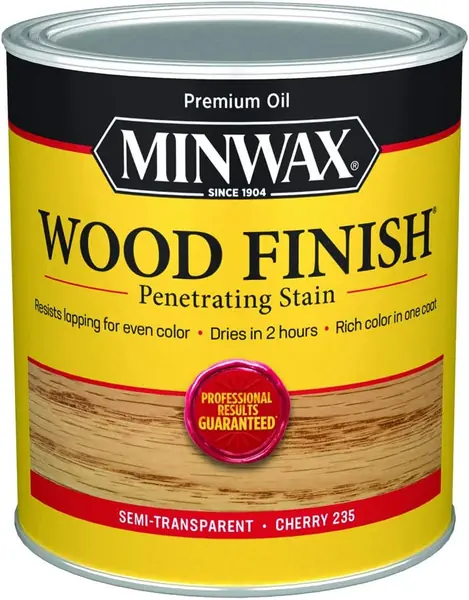
Minwax Wood Finish Oil-Based Stain Best for Budget Color Coats

Minwax Wood Finish penetrating oil-based stain quart can in Cherry

Budget color coats

Shop Score 91/100
Size
1 quart
Coverage
30–40 sq. ft. per coat
Color
Cherry
Dry Time
2 hours
View on Amazon

The word Cherry on the can sets an expectation the liquid inside does not quite meet. It is a warm medium red-brown, not the deep oxblood a fifty-year-old cherry dresser wears, and on cherry and pale woods alike it reads as a gentle push toward red rather than a full color change. One coat over bare stock leaves plenty of grain showing, which is usually what a cherry project wants anyway.

Where it earns its place is speed. The stain penetrates within about five minutes, wipes off after five to fifteen, and is dry enough to handle in roughly two hours, so a small piece gets stained and sealed in an afternoon. The oil base also does not raise the grain the way a water-based stain can, which saves a sanding pass between coats.

Be realistic about coverage. The listing puts a quart at 30 to 40 square feet per coat, a small footprint for a can that size, so a big project needs two cans rather than one. And cherry's grain takes stain unevenly, so a pre-stain conditioner is worth the extra step and the extra hour before you open the can.

Worth Noting

  • Low coverage for a quart
  • Blotches without a pre-stain conditioner
Our Verdict

An inexpensive cherry-tinted penetrating stain that warms and evens tone — we recommend it for utility pieces and large projects where the finish budget is tight.

Check Latest Price
9.

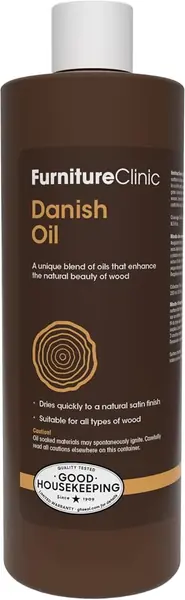
Furniture Clinic Danish Oil

Furniture Clinic Danish oil in a 17-ounce bottle

Inexpensive oil finish

Shop Score 90/100
Size
17 fl oz
Coverage
50 sq. ft.
Finish Type
Danish oil blend
Dry Time
4–6 hours to touch
View on Amazon

If you have priced a boutique hardwax oil and flinched, this is the other end of the shelf. Furniture Clinic's Danish oil comes in a 17-ounce bottle listed at about 50 square feet of coverage, dries to the touch in four to six hours, and names cherry among the woods it is made for. The oil-and-varnish blend gives a satin finish that sits between raw wood and a full film.

We found it goes on evenly with a cloth, soaks into the grain rather than sitting on it, and leaves a warm, slightly deeper tone with very little sheen — closer to a refreshed look than a refinished one. On a cherry shelf, a small table or a set of frames, that is usually exactly the amount of change worth making.

It is light protection, though, and worth planning around. A Danish oil will not shrug off a sweating glass the way a polyurethane does, so a table in daily use wants a clear topcoat over it. Figure on two coats, applied wet-on-wet while the first is still tacky, then a night of drying before anything touches it.

Worth Noting

  • Strong solvent smell while it cures
Our Verdict

A plain, workmanlike Danish oil that brings out grain with a satin sheen — we recommend it when you want warmth and light protection without spending much.

Check Latest Price

How We Tested the Best Finishes for Cherry Wood

We started with a broad list of clear topcoats, tinted stains, penetrating oils, and oil-and-wax blends, then narrowed it by container size, stated coverage, sheen, and the ingredients each label listed. We noted food-contact claims, VOC content, and whether a product was water-based, oil-based, or a hardwax oil, then matched the shortlist to the size of the pieces we planned to finish.

In all, we tested 14 finishes over four months, working on scrap cherry panels, a side table, and unfinished cabinet doors. Solvent-based products were laid out with an open garage door and a fan pulling air across the work area; water-based and low-odor products were also tried in a small indoor room to see how much smell lingered. Oil-soaked applicator pads were spread flat on the concrete to dry, used rags were soaked in water before disposal, and solvent-based cans stayed away from the water heater and pilot light until the surface was dry.

At each coat, we watched for streaks and lap marks under raking light, timed how long the surface stayed tacky before a recoat, and checked whether the finish deepened cherry's red or pushed it toward orange. We measured how far a container actually went on a test panel and compared that with the label's coverage to judge value. We also noted odor while wet, how easy it was to wipe or brush evenly, whether the final sheen matched the label, and how a scuffed cured sample repaired—sanding back a film versus adding more oil. On cherry's uneven grain, we compared wipe-on oils, a gel stain, and brushed films side by side, noting where color grabbed and where it pooled.

How to Choose a Finish for Cherry Wood

Decide How Much Color You Actually Want

Cherry darkens on its own. A freshly planed board is pale and pinkish; a few months of daylight turn it a deeper red-brown, and it keeps going for years. Any amber or tinted finish front-loads that shift and keeps adding to it, which is why we start most cherry projects with a clear coat or a clear oil and reach for stain only for a specific reason — evening out pale sapwood, matching an existing piece, or pulling a mixed-wood project into one tone.

The trap is assuming a cherry-colored stain makes cherry furniture look more like cherry. It usually just makes it look stained. Test on the underside of the piece itself, never on a scrap of a different species, because cherry's starting color and its absorption both vary from board to board.

Choose Between a Film Finish and an In-the-Wood Finish

There are two families. Film finishes — polyurethane, polycrylic, lacquer — build a coat on the surface and shrug off water, heat and handling; they are what we want on a dining table or a kitchen cabinet. Penetrating finishes — tung oil, Danish oil, hardwax oil — soak in and leave the grain feelable, so they are easier to touch up and harder to damage cosmetically, but they need refreshing and they water-spot.

Wax belongs to neither group. It adds sheen and a little slickness, not protection, so treat it as a final step over something else rather than as the finish itself.

Plan Around Cherry's Blotching and Your Wipe-Off Timing

Cherry blotches because its grain absorbs unevenly — the soft earlywood drinks stain while the harder latewood resists. Two fixes work: a pre-stain conditioner to even the absorption, or a gel stain that sits on the surface and barely soaks in at all. If your piece has sapwood streaks you want to hide, the gel is the more controllable tool; if you want dye in the fiber, condition first.

Whichever you use, decide the wipe-off moment before the first brushstroke. Leave a penetrating stain on too long and it dries tacky and darker than planned; wipe too soon and you get a thin, patchy coat. Work in sections small enough to wipe while the stain is still wet.

Compare Coverage Before You Compare Price

The number that decides your real cost is stated coverage, and it swings enormously across this category: a quart of Minwax penetrating stain is listed at 30 to 40 square feet per coat, while a quart of Varathane covers up to 275. Gel stain and hardwax oil look expensive per ounce until you notice how little a coat actually takes.

Before ordering, measure the piece — a typical 36-by-72-inch tabletop runs about 18 square feet — multiply by the number of coats you intend, and buy for that total rather than for the can that looks like the best deal.

Frequently Asked Questions

Final Verdict

Minwax Polycrylic is the finish we recommend first for cherry, because it protects the wood without adding a color of its own, and the red keeps deepening underneath it. Two hours between coats and a soap-and-water cleanup mean a tabletop goes from bare to finished inside an afternoon.

If your piece is meant to be touched rather than protected — a bowl, a tool handle, a small table — Hope's pure tung oil is worth the extra days. And where the matte, bare-wood look is the whole point, Rubio Monocoat gets there in one coat for a premium.