↑↓ navigate ↵ open Esc close All results →

Best Finishes for Reclaimed Wood of 2026

Salvaged lumber arrives full of saw kerfs, nail holes, and weathered grain that drinks finish unevenly—and twice as fast as fresh millwork. A heavy oil can turn century-old pine from warm honey to traffic-cone orange in ten minutes, while a glossy plastic film fills rustic texture instead of highlighting it.

Applying 12 interior and exterior finishes over seven months to salvaged oak, old pine, and rough barn siding proved that coverage numbers on a can rarely survive contact with thirsty reclaimed stock, often stretching only half as far as on a planed tabletop. Odor lingering for days with oil formulas versus fast dry times on water-based coats also weighs heavily when finishing inside a house.

Both tactile penetrating oils and protective surface films are represented across the eight recommended formulas, each judged directly on aged, weathered timber rather than clean shop samples.

Our Top Picks

The Best Finishes for Reclaimed Wood

1.

Odie's Universal Oil Best Overall
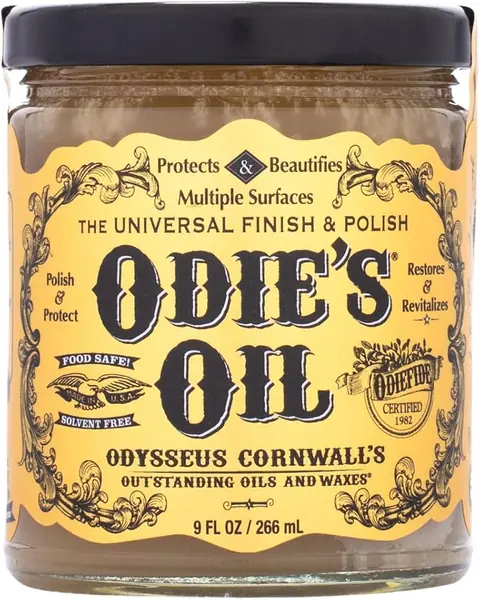
Odie's Universal Oil hardwax oil in a nine-ounce jar with natural finish

Natural furniture finish

Shop Score 97/100
Finish Type
Penetrating hardwax oil
Coverage
270+ sq ft
Use
Indoor and outdoor
Food Contact
Food-safe when cured
View on Amazon

Odie's Universal Oil is the finish we reach for first on reclaimed wood because it makes the wood look cared for rather than coated. The solvent-free hardwax oil wipes on, then buffs off to a soft sheen that keeps the grain and its imperfections visible. There is no plastic film to peel or sand away later, which matters on old boards with nail holes and mixed grain.

We also like how little effort it takes to get an even result. A thin coat goes a long way, and the food-safe formula means the same jar can finish a reclaimed countertop and a cutting board. For a table or built-in, that versatility is the reason we rank it first, and it is one of the easiest finishes here to touch up.

The finish can feel tacky if you buff too soon. Apply thin coats, let each one set, and buff thoroughly; then the jar's coverage is generous for the size.

Worth Noting

  • Premium price for the jar size
Our Verdict

Odie's Universal Oil is our top choice for reclaimed wood because it leaves a natural sheen, wipes on easily, and suits food-contact and outdoor pieces.

Check Latest Price
2.

Rubio Monocoat Oil Plus 2C Best One-Coat Finish

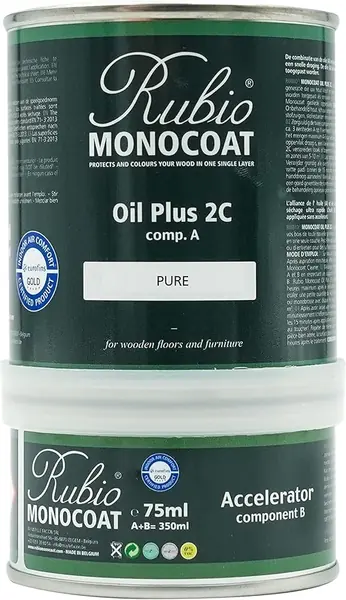
Rubio Monocoat Oil Plus 2C hardwax oil can in Pure matte finish

Large tabletop projects

Shop Score 96/100
Finish Type
Hardwax oil
Sheen
Matte
Coverage
105-175 ft²
Use
Interior wood
View on Amazon

Rubio Monocoat's one-coat promise is what won us over for big reclaimed tabletops. The hardwax oil goes down in a single layer, so you are not chasing lap marks across a wide glue-up or waiting through multiple coats. We like the matte sheen, which flatters old wood without the plastic look of a thick film.

It also doubles as color and protection, with 55 mixable colors; the Pure version is the one to choose when you want the wood's own tone to lead. The 350 ml can covers 105 to 175 square feet, and the 0% VOC formula keeps an indoor workspace comfortable.

One coat is often enough for a large tabletop, and the 350 ml can covers 105 to 175 square feet. We keep a little back for touch-ups and for end grain that always drinks more.

Worth Noting

  • Premium price for 350 ml
  • Interior use only
Our Verdict

For a large reclaimed tabletop, we choose Rubio Monocoat when one coat and controllable color matter more than the lowest cost.

Check Latest Price
3.

Hope's 100% Pure Tung Oil Best Natural Penetrating Oil

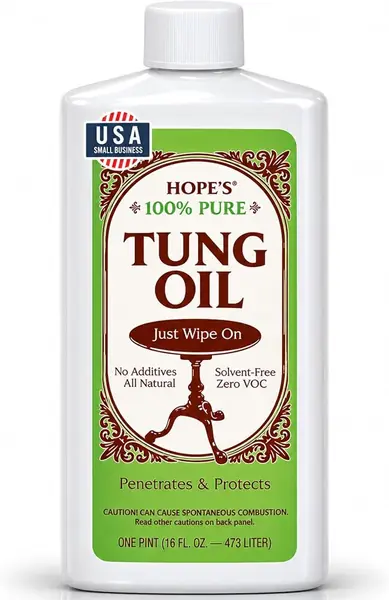
Hope's 100% Pure Tung Oil in a sixteen-ounce bottle for wood finishing

Food-safe wood oil

Shop Score 95/100
Finish Type
100% tung oil
Use
Indoor and outdoor
Food Contact
Food-safe when dry
Size
16 fl oz
View on Amazon

Hope's 100% Pure Tung Oil is the choice when you want the finish to live in the wood rather than sit on top of it. It penetrates deep, cures to a flexible solid, and leaves a satin natural look that suits reclaimed boards with history.

We like that it is food-safe when dry and rated for indoor and outdoor use, so it can move from a kitchen counter to a porch table. It resists moisture, alcohol, and everyday wear, and a little goes a long way. It darkens the wood slightly and brings out the grain, which is what we want on a board that already has a story.

For a piece that should weather gracefully rather than look freshly sealed, the deep, repairable look is worth the effort. We like it on benches, counters, and anything that should keep its scars. The finish is easy to repair with another thin coat, and it does not need stripping if the surface wears unevenly.

Worth Noting

  • Long cure between coats
  • Strong odor in enclosed spaces
Our Verdict

Hope's Pure Tung Oil earns our vote when you want a food-safe penetrating finish and can give reclaimed wood time to cure.

Check Latest Price
4.

Minwax Polycrylic Protective Finish Best Clear Gloss Topcoat

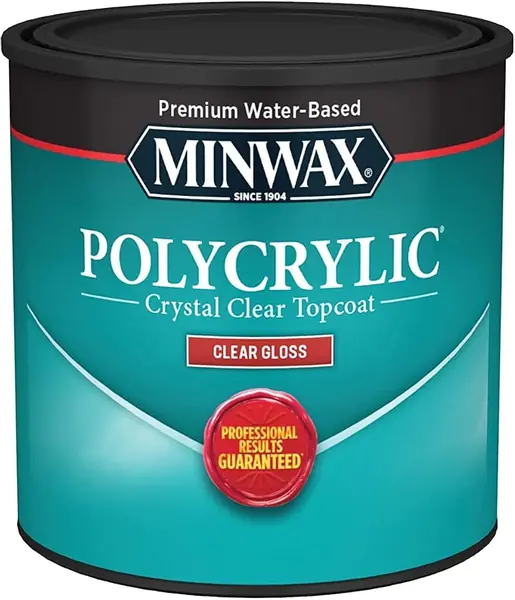
Minwax Polycrylic water-based gloss finish in a half-pint can

Gloss interior topcoat

Shop Score 94/100
Finish Type
Water-based polycrylic
Sheen
Gloss
Coverage
up to 150 sq. ft. per 0.5 pints
Recoat Time
2 hours
View on Amazon

Minwax Polycrylic is the clear gloss topcoat we choose when the wood itself is the show. The water-based finish dries crystal clear and stays that way, which matters on pale reclaimed pine or ash that can turn amber under an oil-based varnish. We like the bright, sleek look it gives a small piece.

It is also quick to work with: recoats after two hours, soap-and-water cleanup, and a hard film that stands up to scratches and scuffs. On a reclaimed shelf or cabinet door, that fast schedule is a real advantage.

The gloss is the thing to think about. On rough, rustic boards it can read a little too new and shiny, so we prefer it on cleaner pieces or in a room where a little shine is welcome. A thin coat is better than a heavy one, and a quality brush keeps the finish level.

Worth Noting

  • Interior use only
Our Verdict

When pale reclaimed wood needs a clear gloss coat, we reach for Minwax Polycrylic.

Check Latest Price
5.

Tried & True Original Wood Finish Best Food-Safe Finish

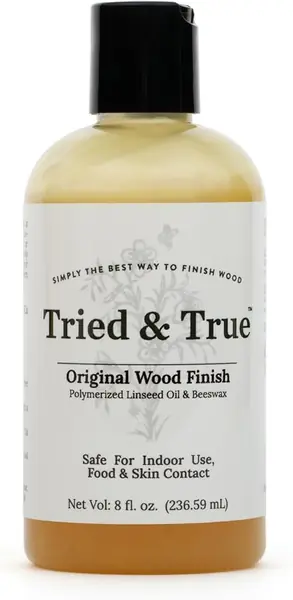
Tried & True Original oil and beeswax finish in an eight-ounce bottle

Kitchen wood pieces

Shop Score 93/100
Finish Type
Polymerized linseed oil and beeswax
Sheen
Matte
Food Contact
Food-safe
Size
8 fl oz
View on Amazon

Tried & True Original is built for the kitchen side of reclaimed wood: cutting boards, knife handles, butcher block, and wooden utensils. The blend of polymerized linseed oil and beeswax leaves a warm matte finish and is formulated without the toxic drying aids found in some boiled linseed products. It is a simple wipe-on, buff-off finish, and it leaves the wood looking fed rather than lacquered.

We like it because it is repairable. You can touch up a worn spot without stripping the whole piece, which is exactly what we want on a work surface that sees daily chopping and washing. The food-contact safety is the reason it earns a place here, and it has no bad smell.

Apply thin coats, buff thoroughly, and keep the finish thin; a heavy coat is the usual reason an oil-wax finish feels sticky. The 8-ounce bottle is sized for small kitchen projects, so measure before you start. A little goes a long way, especially on dense woods, so start with less than you think you need.

Worth Noting

  • Premium price for 8 ounces
  • Slow cure before food contact
Our Verdict

We keep Tried & True Original for reclaimed cutting boards and kitchen pieces because its food-safe oil-wax finish leaves a soft matte look.

Check Latest Price
6.

Furniture Clinic Boiled Linseed Oil Best Budget Oil

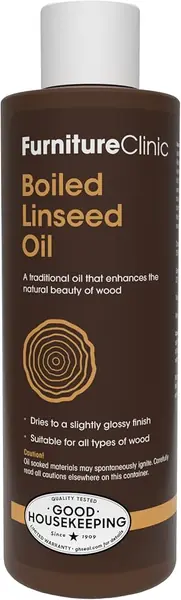
Furniture Clinic boiled linseed oil in an eight-and-a-half-ounce bottle

Budget antique refresh

Shop Score 92/100
Finish Type
Boiled linseed oil
Sheen
Glossy
Coverage
50 sq ft
Use
Indoor and outdoor
View on Amazon

Furniture Clinic's boiled linseed oil is the budget route to an old-fashioned, grain-forward look. It penetrates and fills the pores, revives dry wood, and leaves a slightly glossy sheen that suits reclaimed boards with a weathered face. It is a classic oil finish, not a film, so it leaves the grain open and the texture visible.

We like it on pieces that should look like they have lived a little: a porch chair, a tool handle, a simple shelf. It is suitable for indoor and outdoor wood, and the 8.5-ounce bottle covers about 50 square feet. It also brings out the color of old oak and pine without looking like a coat of plastic.

The trade-off is temperament. The oil can stay tacky if you apply it too heavily or skip the wipe-down. We use thin coats and wipe off the excess, then give it time; on a quick project, a water-based topcoat is easier. A little goes a long way, but the oil needs to be worked into the surface rather than puddled on.

Worth Noting

  • Strong odor in enclosed spaces
Our Verdict

A budget-friendly antique look is what Furniture Clinic Boiled Linseed Oil delivers, and that is why we recommend it for weathered reclaimed boards.

Check Latest Price
7.

Varathane Water-Based Satin Polyurethane Best Satin Topcoat

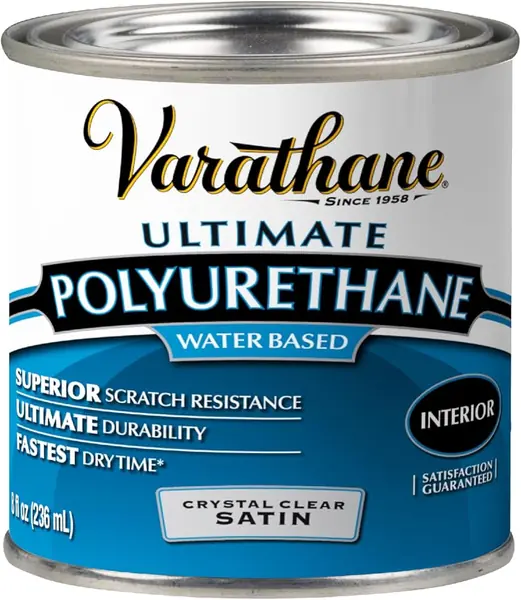
Varathane water-based satin polyurethane in a half-pint can

Satin furniture protection

Shop Score 91/100
Finish Type
Water-based polyurethane
Sheen
Satin
Coverage
Up to 62 sq ft
Use
Interior
View on Amazon

Varathane's water-based satin polyurethane gives reclaimed furniture a softer sheen than a gloss varnish. It dries clear, resists scratches and stains, and keeps the natural look of the wood visible, which is what we want on a table or cabinet that already has plenty of texture.

The water-based formula is pleasant to work with: low odor, easy cleanup, and a film that builds with multiple coats. On a painted or stained reclaimed piece, it is a practical choice for daily wear. It also dries quickly enough to keep a small project moving.

The satin is not perfectly flat; it can still read a little glossy in raking light. And while the finish is labeled crystal clear, pale painted surfaces are where clarity can vary. We keep it on natural wood or darker stains, where those differences disappear.

For a reclaimed piece that gets daily use, that trade-off is easy to accept: the finish is tougher than wax and easier to clean than an oil. We reach for it when the piece needs protection without a plastic-heavy look.

Worth Noting

  • Interior use only
Our Verdict

Reclaimed furniture that needs a low-odor satin topcoat is where Varathane Water-Based Satin Polyurethane earns our recommendation.

Check Latest Price
8.

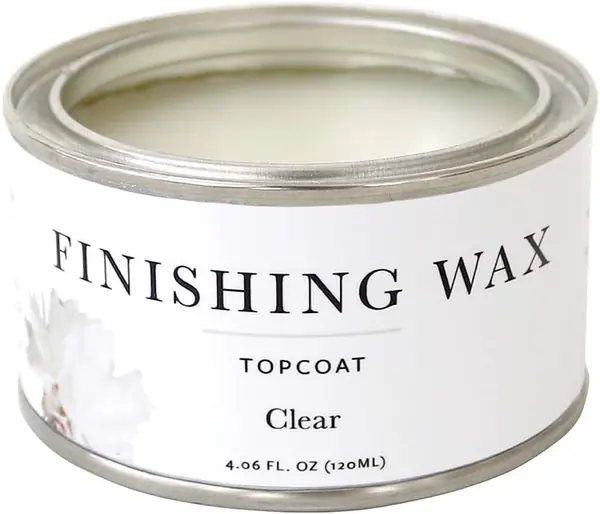
Jolie Finishing Wax

Jolie clear finishing wax in a 120-ml tin for matte wood protection

Painted furniture wax

Shop Score 90/100
Finish Type
Clear finishing wax
Sheen
Matte
Coverage
75 sq ft
Dry Time
8 hours
View on Amazon

Jolie Finishing Wax is the finishing step for a painted or raw reclaimed piece that should look soft, not sealed under plastic. The clear wax dries matte, can be buffed to a subtle sheen, and is odor-free and non-hazardous, which makes it easy to use indoors.

We like it on chalk-painted furniture and small decor pieces because it does not change the color and is hard to overwork. A wax brush or lint-free cloth gets it into the texture of old wood, and a little goes a long way. It also layers well over colored waxes if you want to push texture and dimension.

The 120 ml tin covers about 75 square feet and needs eight hours between coats. We buff thin coats rather than loading them on, and a lint-free cloth keeps the surface even.

What we like most is how controllable the sheen is: buff lightly for matte, work a little longer for a soft glow. That makes it a good match for reclaimed pieces where the paint or patina is the point.

Worth Noting

  • Less durable than hardwax oil or poly
  • Thick coats can stay tacky
Our Verdict

Painted or raw reclaimed furniture that wants a soft matte sheen gets our pick in Jolie Finishing Wax.

Check Latest Price

How We Tested Finishes on Reclaimed Wood

We started by gathering finishes sold in furniture-scale cans that are rated for interior wood, exterior wood, or both, then sorted them by finish type, sheen, stated coverage, recoat time, and food-contact claims. That narrowed the field to 12 products, which we applied over seven months to salvaged oak, pine, and barn siding — some planed smooth, some still rough with old paint in the grain.

Testing happened in a garage workshop with the door up and a fan pulling air out, with a stretch on a covered porch for the products rated for outdoor use. Each finish went onto a labeled panel and, where the product allowed it, onto a real piece: a salvaged-wood dining table, a butcher-block counter, a painted dresser, and an old door. We applied everything with the same brush and rag, timed how long a coat took to spread, noted whether it pooled in the saw marks or soaked in on contact, and recorded how much effort it took to wipe back the excess.

Every few weeks we compared each panel to an unfinished control to see whether it had yellowed, ran a palm across it to judge texture, and looked at it in daylight and under a lamp for sheen. We timed recoat and full cure instead of trusting the label, left water rings and hot mugs on the surfaces for thirty minutes, and dropped keys on them to see what marked.

Odor was noted at application and again the next morning, and on the butcher block we checked whether food-contact claims applied only after full cure. We also tracked how far a can actually went on rough barn wood, which was rarely as far as the stated coverage. Oil-soaked rags were spread flat on the concrete to dry, never balled up, and anything we did not finish went into water before it hit the trash.

How to Choose a Finish for Reclaimed Wood

Choose Between a Film and a Penetrating Finish

A film finish such as polycrylic or polyurethane sits on top of the wood and gives you a smooth, wipeable surface. A penetrating oil or hardwax oil soaks in and leaves the grain and texture closer to the surface. We reach for a film when a reclaimed table needs to shrug off spills, and for an oil when the piece should feel old and repairable.

The trade-off is repair. Film finishes can show scratches and are harder to spot-fix; oils and waxes can be touched up locally. On a reclaimed piece with nail holes and patches, that repairability often matters more than a glass-smooth surface.

Match Sheen and Color to the Wood

Sheen changes how reclaimed wood reads. Gloss makes a clean, modern statement and is easy to wipe, but on rough boards it can look too new. Satin is the safer middle for furniture, while matte and wax finishes let old paint and patina stay dominant.

Color is the other half. Water-based clear coats keep pale wood light; oils and waxes warm the tone and deepen grain. We keep a gloss topcoat for pale ash or pine and choose an oil where the reclaimed surface already has a strong color story.

Plan for Cure Time and Ventilation

Fast recoat times are not the same as full cure. A water-based polycrylic may accept another coat in two hours, while a pure tung oil or oil-wax blend needs much longer before it is ready for daily use. Read the label for the finish you choose and schedule the piece accordingly.

Oils and solvents also need air. We open a window or set up a fan before starting, and we keep oil-soaked rags spread flat to dry rather than balled up. If the piece must be finished in an occupied room, a low-odor water-based product is the easier housemate.

Buy Enough for Thirsty Reclaimed Wood

Reclaimed wood can soak up more finish than a fresh board, especially at end grain and old nail holes. Use the product's coverage figure as a starting point, then add a little extra for porous surfaces and multiple coats.

For scale, Rubio Monocoat lists 105 to 175 square feet for its 350 ml can, Minwax Polycrylic lists up to 150 square feet per half pint, and Furniture Clinic's boiled linseed oil covers about 50 square feet. Measure the piece before you order, and keep a small amount back for touch-ups.

Frequently Asked Questions

Final Verdict

For most reclaimed wood projects, we recommend Odie's Universal Oil. It gives old boards a natural, hand-rubbed look, wipes on without a steep learning curve, and is food-safe enough for kitchen pieces. That combination makes it the easiest finish to live with across furniture, counters, and small builds.

If you are finishing a large tabletop and want one coat with color control, Rubio Monocoat is the upgrade we choose. For a pale interior piece that needs a clear, wipeable film, Minwax Polycrylic is the better fit. The right choice follows the piece, not the other way around.