↑↓ navigate ↵ open Esc close All results →

Best Finishes for Wood Stair Treads of 2026

No other wood in the house takes the beating a stair tread does. Every trip up lands a shoe on the same few inches at the front edge, and that nose is where a finish gives out first — a worn stripe while the rest of the tread still looks new. The right finish puts a durable, repairable wear layer exactly where feet land and gets the staircase back in service without shutting down the house for a week.

We finished treads with 12 different products over eight months: a main staircase shared with two kids and a dog, a basement run, and shop boards we could abuse on purpose. The number first-timers underestimate is the recoat window — a finish that feels dry in an hour can still want a full day before the next coat, and that, not the sheen on the label, decides how long the stairs are off-limits. Chemistry matters too: oil-based coats amber the wood, while most water-based ones stay close to clear.

Our picks hold up under shoes first and look good second, in satins and mattes that don't advertise every scuff. Some are one-coat oils, some are film finishes sized for a whole staircase, and a couple are small cans worth keeping on the shelf for a single worn tread.

Our Top Picks

The Best Finishes for Wood Stair Treads

1.

General Finishes High Performance Topcoat Best Overall
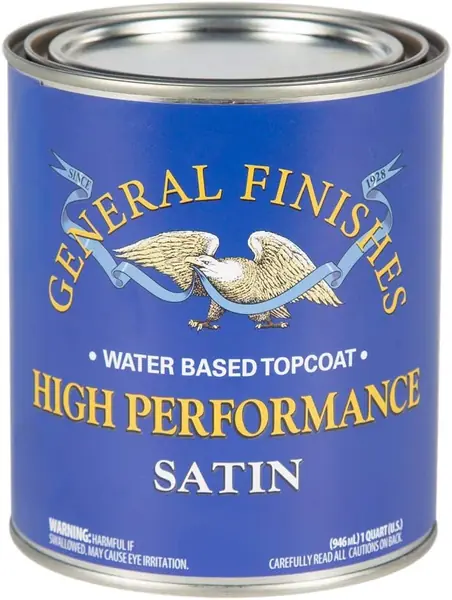
General Finishes High Performance water-based topcoat in a quart can, satin sheen

Busy interior stairs

Shop Score 96/100
Base
Water-based
Finish
Satin
Coverage
125-150 sq ft per quart
Recoat Time
1-2 hours
View on Amazon

The first thing that stood out on our stair-tread samples was the recoat window: General Finishes lets you get back on with the next coat in one to two hours, which matters when you are finishing several treads and do not want the staircase out of commission for days. The satin finish brushed out level, and a quart covers 125 to 150 square feet, enough for a typical run of treads and a little touch-up.

Stair treads punish a finish in a narrow strip where heels land and pets scramble, so we put wear resistance first. This is the water-based film we trust most in this group for that job: it builds a hard, clear coat without the softness we associate with some budget water-based polys, and the satin sheen hides the scuffs that show up on gloss. We also appreciated that it stays clear over light woods instead of adding an amber cast.

The satin is not dead flat, so if you want a rubbed-oil look, Rubio is the better match; we treat this as a film finish, not a natural wood finish. For a busy stair that has to look good and keep working, this is the one we kept reaching for.

Worth Noting

  • Premium price per quart
Our Verdict

We recommend General Finishes High Performance for most interior stair treads because it builds a hard satin film, recoats fast, and stands up to daily traffic better than the softer clears here.

Check Latest Price
2.

Rubio Monocoat Oil Plus 2C Best Natural Look

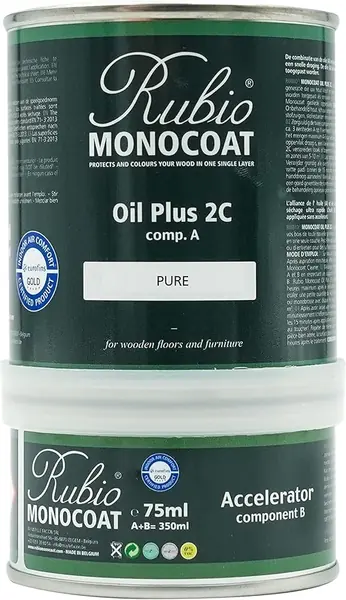
Rubio Monocoat Oil Plus 2C hardwax oil in a small can, matte pure finish

Natural-look stairs

Shop Score 95/100
Base
Linseed oil and wax
Finish
Matte
Coverage
105-175 sq ft per 350 mL
Coats
One
View on Amazon

If you want stair treads to look like oiled wood rather than a plastic-coated floor, Rubio Monocoat gets you there in one coat. We mixed Part B into the oil, applied a thin coat, and liked how close the matte finish sat to the grain; there is no film building up over the wood, just a warm, even color.

Coverage is a strong point for a small container: 350 milliliters covers about 105 to 175 square feet, which is plenty for a typical staircase when you apply it thin. The finish is also a good fit for indoor work because it has very little odor, and the one-coat process means less time with the staircase blocked.

This is not the finish for someone who wants a thick, scrub-resistant coat; it is a hardwax oil, and on a busy tread it will need refreshes. We choose it for a natural staircase in a low- or medium-traffic home, where the wood itself is the point. For daily abuse, General Finishes is the harder film.

Worth Noting

  • Premium price for a small container
  • Two-part mix adds a step
Our Verdict

We choose Rubio Monocoat when the goal is an oiled, natural look; its one-coat matte finish is lovely on wood, but it asks for more care than a hard poly.

Check Latest Price
3.

Bona Mega Wood Floor Finish Best for Whole Staircases

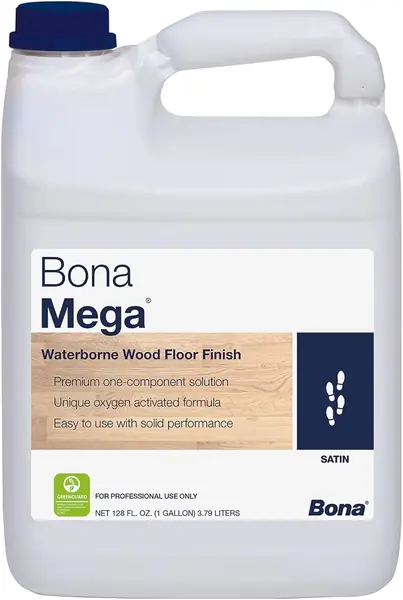
Bona Mega waterborne wood floor finish in a gallon jug, satin sheen

Whole staircases

Shop Score 94/100
Base
Waterborne polyurethane
Coverage
500-600 sq ft per gallon
Sheen
Satin
Dry Time
2-3 hours
View on Amazon

A full staircase is a lot of square footage, and Bona Mega is the one here sold in a gallon built for that job. We liked the satin sheen on our test boards because it gives a finished look without the mirror glare that makes a stair feel slippery.

Bona's waterborne formula is designed for floors, so it has a natural advantage on a horizontal surface that takes foot traffic. The one-component formula has no pot life to watch, and it levels out well with an applicator; on a long run of treads, that matters more than a fancy brush finish. Coverage is 500 to 600 square feet per gallon, so one can is enough for a whole staircase and then some.

It goes on thin, so the build comes from multiple coats rather than one heavy layer; that is normal for a floor finish, but it adds time. We do not treat it as a one-coat product.

For a whole staircase, the gallon and the floor-grade film make it the practical buy. We liked having enough to finish the run without rationing the last tread.

Worth Noting

  • Gallon size is overkill for a few treads
Our Verdict

For a full staircase, we like Bona Mega's gallon size and floor-grade waterborne film; it is the practical choice when you have a lot of treads to cover.

Check Latest Price
4.

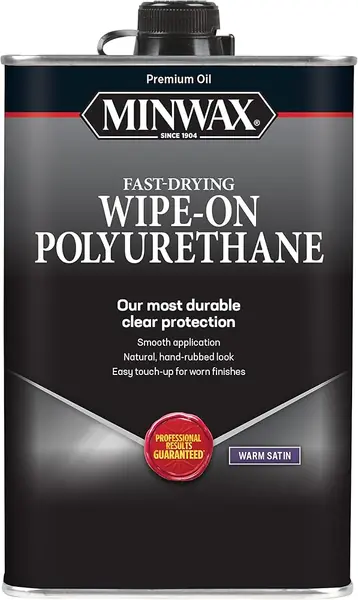
Minwax Wipe-On Poly Best Wipe-On

Minwax oil-based wipe-on polyurethane in a pint can, satin finish

Hand-rubbed look

Shop Score 93/100
Base
Oil-based
Finish
Satin
Coverage
62 sq ft per 16 fl oz
Recoat Time
2-3 hours
View on Amazon

Wipe-on poly is the finish for anyone who has ever chased a brush mark across a stair tread. We wiped Minwax's oil-based version on with a cloth and liked how thin and even the coat went down; there were no drips to catch on the nosing, which is the fussy part of finishing stairs.

We also liked the warm amber tone the oil base gives oak or pine, and the satin sheen looks hand-rubbed rather than sprayed. Recoat time is two to three hours, so you can build several thin layers in a day without the surface turning into a thick plastic sheet.

The oil base also means you should plan around the smell and keep the area ventilated while it cures; that is the price of the warmer look. On stained treads where you want a softer, hand-rubbed finish, we think the extra patience is worth it. The cloth application is also forgiving on spindles and edges, where a brush can leave a run.

Worth Noting

  • Needs 24 hours before light use
Our Verdict

We keep Minwax Wipe-On Poly on the short list for anyone who wants a hand-rubbed oil look without brush marks; it is easy to control on treads.

Check Latest Price
5.

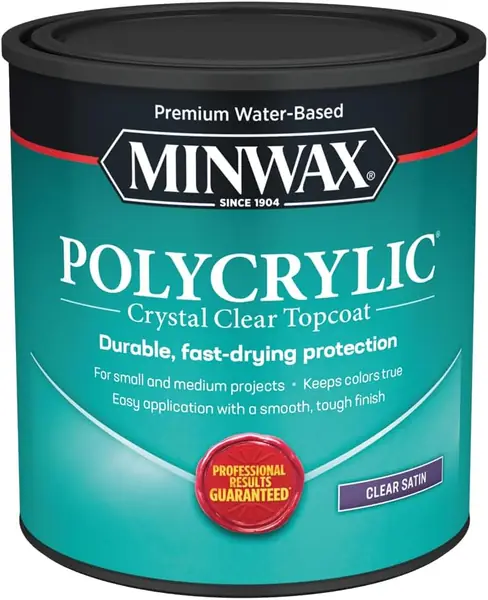
Minwax Polycrylic Best for Low-Traffic Stairs

Minwax Polycrylic protective finish in a quart can, clear satin

Low-traffic stairs

Shop Score 92/100
Base
Water-based
Finish
Satin
Size
1 quart
Recoat Time
2 hours
View on Amazon

When a stair project has to be finished between school pickup and dinner, Polycrylic's two-hour recoat and soap-and-water cleanup are the draw. We brushed it on a tread sample and found it stayed clear over light wood, with none of the amber shift you get from an oil-based poly.

It is also the easiest finish here to live with indoors: low odor, water cleanup, and a satin sheen that goes on evenly. For a quick refresh on a lightly used staircase, that combination is genuinely useful.

The trade-off is wear. On a busy tread, we do not rank it with the harder films in this group, so we keep it for low-traffic stairs or a temporary refresh rather than a forever finish. What it does well is get a staircase back in service fast without a solvent smell.

Worth Noting

  • Satin can read glossier than expected
Our Verdict

We see Minwax Polycrylic as a quick, budget-friendly clear coat for lightly used stairs, not the hardest film for a busy household.

Check Latest Price
6.

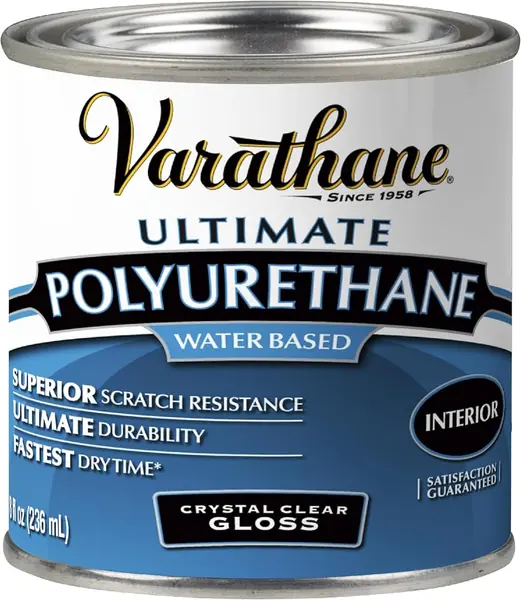
Varathane Ultimate Polyurethane Best for Small Touch-Ups

Varathane water-based ultimate polyurethane in a half-pint can, gloss finish

Small touch-ups

Shop Score 91/100
Base
Water-based
Coverage
Up to 62 sq ft
Size
0.25 quart
Sheen
Gloss
View on Amazon

A half-pint is enough for a few treads, and that is the first reason Varathane's water-based poly earns a spot for small stair repairs. We liked the crystal-clear film over a light wood sample; it did not muddy the grain or add an amber cast.

The gloss version we tested is bright and glassy, which is great for a touch-up that needs to blend with an existing shine but not what we want across a whole staircase. It goes on with a brush or applicator, cleans up with water, and has very little odor, so it is easy to use indoors.

Wear is the compromise: this is not the hardest film in this group. We treat it as a small-job finish for a few treads, not the choice for a busy staircase that takes a beating every day. The small can also means less leftover finish to store.

Worth Noting

  • Gloss sheen can show scuffs
Our Verdict

We reach for Varathane's half-pint for small stair touch-ups and light woods, where its clear gloss and low odor make a quick repair easy.

Check Latest Price
7.

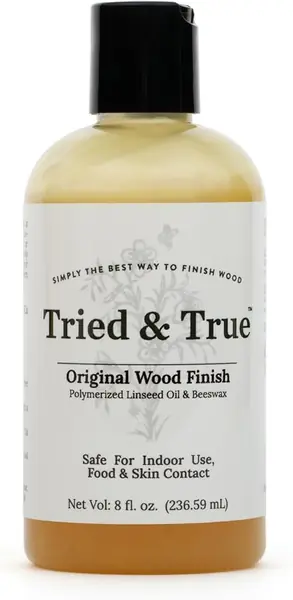
Tried & True Original Wood Finish

Tried & True Original wood finish in an 8-ounce bottle, matte oil-wax blend

Low-traffic natural look

Shop Score 90/100
Base
Linseed oil and beeswax
Finish
Matte
Size
8 fl oz
Food Contact
Yes
View on Amazon

The ingredient list is the appeal here: polymerized linseed oil and beeswax, with no solvents and a food-contact rating. We rubbed it into a scrap of oak and liked how the matte finish left the grain looking open and touchable rather than sealed under a film.

It is also one of the easiest finishes to apply indoors: wipe it on, buff it dry, and wait a day before burnishing. There is no strong solvent smell, which is a real advantage on a staircase in the middle of the house.

For stair treads, though, we keep it to low-traffic stairs. It is an oil-and-wax coat, not a hard film, so it will not shrug off grit and pet nails the way a polyurethane will. The reward is a natural look that feels like wood rather than a coating, and that is why it stays in the guide.

Worth Noting

  • Can cure slowly in cool conditions
Our Verdict

We like Tried & True for a low-traffic, natural stair where a food-safe oil-and-wax finish matters more than a hard wear layer.

Check Latest Price

How We Tested Stair Tread Finishes

We started with more than 30 cans pulled from paint aisles, woodworking suppliers, and manufacturer spec sheets, then cut the field by base chemistry, sheen, container size against realistic coverage, and whether the maker published a real recoat time instead of a vague "when dry." Twelve of them made it onto treads. Testing ran eight months, long enough for a finish to show wear rather than just look good on day one.

Each finish went on shop-built oak and pine treads and on real stairs: a main staircase shared with two kids and a dog, a basement run, and a back stair off the kitchen. We applied with a brush, a pad, and a rag where the label allowed it, watching how each one leveled along the front edge, whether it pooled under the nose, and how much working time we had before it started to drag.

We timed three separate things — dry to the touch, ready for a second coat, and safe for shoes — and measured coverage by the square footage a can actually covered, then divided cost by square feet to see what each finish really cost per tread.

Wear got tested the boring way: months of real traffic plus deliberate scuffing with a rubber heel and a key ring, logging where the film broke through first. We walked every tread in socks and in shoes to judge whether a sheen felt slick or grippy underfoot, and lined up coated offcuts of pale wood side by side to compare how much color each one added, then parked them in a sunny window to watch for yellowing.

At the end we sanded a worn spot on each tread and blended in a fresh coat to see whether the repair disappeared, and noted how long odor lingered in a stairwell with a fan running. Recoat and cure times came from the maker's label, and oil-soaked rags and pads were laid flat outdoors to dry before disposal.

How to Choose a Finish for Wood Stair Treads

Put Wear Resistance First

A stair tread gets more concentrated abuse than almost any other wood surface in the house: the same narrow strip takes every heel strike and every trip up with the dog. That is why we start with a film-forming polyurethane for busy stairs. General Finishes High Performance builds a hard satin coat that recoats quickly, and Minwax's wipe-on oil-based poly gives a warmer, hand-rubbed look while still building a protective film. A hardwax oil like Rubio Monocoat can look beautiful, but it sits closer to the wood and needs more care.

Pick a Sheen That Hides Wear

Satin and matte sheens are the safer choices on stairs. They soften the look of scuffs and are less likely to show every footprint than a high-gloss film; a gloss like Varathane's is useful for small touch-ups that need to blend with an existing shine, but across a full tread it shows wear quickly. We also think a lower sheen feels less slick underfoot, which matters on a surface you take quickly. Do not confuse gloss with protection; the sheen and the wear layer are separate choices.

Plan Around Recoat and Cure Time

The clock on a stair project has two parts: recoat time and return-to-service time. General Finishes and Polycrylic let you recoat in about two hours, while Minwax Wipe-On Poly needs two to three hours between coats and 24 hours before light use. Water-based finishes are usually the easier choice when the staircase is in the middle of the house, because they smell less and clean up with water. Either way, do not put the stairs back into service until the finish has cured to the maker's label, not just to the touch.

Match the Container to the Job

Measure the treads before you buy, then add for the sides and the nosing. A half-pint like Varathane's is fine for a few touch-ups, a quart like General Finishes or Polycrylic covers a typical staircase, and a gallon like Bona Mega makes sense when you are coating the whole run and want leftover for the risers. Buying too little is the more common mistake: running out mid-project can leave a lap mark where you restart.

Consider Application Method and Indoor Air

Brush, wipe, or applicator: the method changes how much control you have on a tread. Wipe-on poly is forgiving on edges and spindles, a brush gives more build on a flat tread, and a floor applicator is faster on a long run. Water-based products are the better fit for occupied homes because they have less odor; oil-based finishes need ventilation and more drying time. The finish you choose should match both the look you want and how much time you can keep the stairs out of service.

Frequently Asked Questions

Final Verdict

For most staircases, General Finishes High Performance is the finish we recommend: it builds a hard satin film, recoats in a couple of hours, and gives a busy tread the best chance of staying ahead of wear. If the look you want is oiled wood rather than a film, choose Rubio Monocoat and plan to refresh it; if you are coating a full staircase, Bona Mega's gallon size is the practical buy.