↑↓ navigate ↵ open Esc close All results →

Best Top Coats for Painted Furniture of 2026

Trusting the sheen printed on a topcoat can is an easy way to spoil a fresh paint job: a satin clear that looks muted on a sample board often flashes glossy under a room lamp, while oil-based formulas yellow over crisp white or pale gray cabinets. Paint gets the attention, yet the clear coat is what absorbs keys, spills, and daily wear.

Brushing and spraying 14 topcoats over four months onto a chalk-painted dresser, kitchen cabinet doors, and a heavily used desk highlighted the trade-offs between base chemistries. Water-based clears preserve light paint colors without ambering, whereas oils deepen darker tones, and aerosols or paste waxes behave very differently around spindles and edges than brush-on quarts.

Tested across real furniture surfaces rather than clean scrap plywood, these formulas—spanning brush-on quarts, spray cans, and chalk-paint wax—cured hard without clouding or shifting the underlying color.

Our Top Picks

The Best Top Coats for Painted Furniture

1.

Minwax Polycrylic Water-Based Finish Best Overall
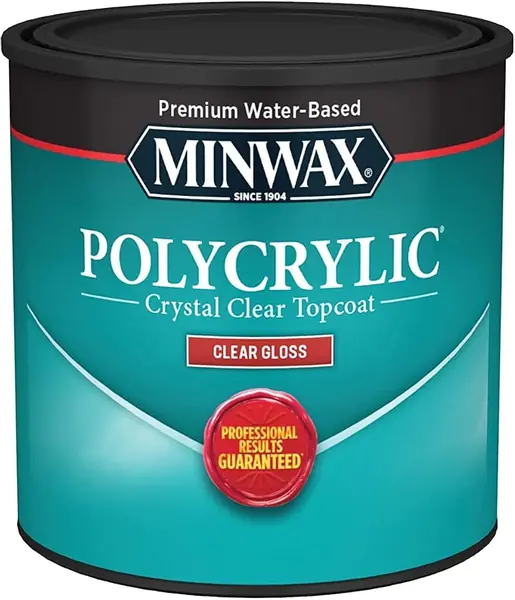
Minwax Polycrylic water-based clear gloss protective finish in an eight-ounce can

Painted furniture

Shop Score 97/100
Base
Water-based
Finish
Gloss
Container Size
8 fl oz
Recoat Time
2 hours
View on Amazon

A half-pint of Minwax Polycrylic is the can we reach for when a painted piece needs a clear, practical finish without a long solvent-heavy session. The water-based formula brushes out easily, stays clear over the pale colors we use most, and cleans up with soap and water. That combination makes it our default for a first furniture topcoat.

On a painted nightstand or cabinet door, the gloss version leaves a soft shine rather than a thick plastic sheet. We appreciate that the recoat window is only about two hours, so two or three thin coats fit into an afternoon. Stir it gently instead of shaking it, and keep the coats thin; the finish levels better and dries with fewer dust nibs.

The finish is interior-rated, which suits furniture and cabinets but not a porch chair. We also like it over chalk paint once the paint has fully dried, because the water-based film does not add the amber cast that oil-based polyurethane can. A light sanding with fine grit between coats gives the next layer something to grip. For a piece that will be handled daily, two thin coats feel more protective than one thick one, and the clear film stays clear instead of turning cloudy.

Worth Noting

  • Half-pint can limits larger projects
Our Verdict

We recommend Minwax Polycrylic as the clear default for painted furniture: it brushes on easily, stays clear over light colors, and cleans up with soap and water.

Check Latest Price
2.

General Finishes High Performance Topcoat Best for High-Traffic Furniture

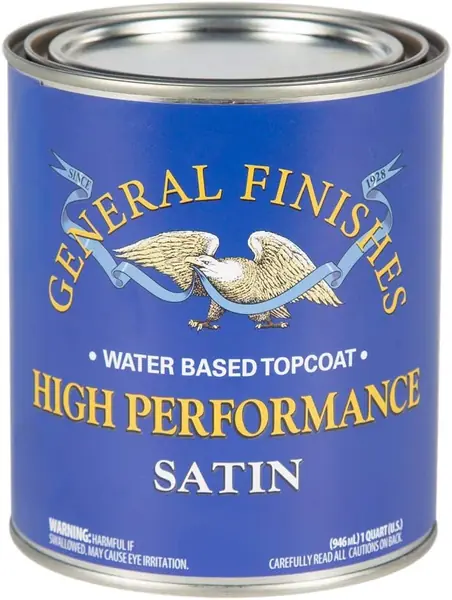
General Finishes High Performance water-based satin topcoat in a one-quart can

High-traffic furniture

Shop Score 96/100
Base
Water-based
Finish
Satin
Container Size
1 quart
Coverage
125-150 sq ft
View on Amazon

Compared with our top pick, General Finishes High Performance is the can we choose when a painted piece gets daily wear. It is a water-based topcoat in a quart, with a satin finish that looks more expensive than the plastic sheen some brush-on polys leave. The extra body is the point: this is the one we trust on a table, a kitchen cabinet, or a child's dresser.

The difference we care about is the film. It feels denser under a fingernail and seems to hold up better around edges and drawer fronts than the thinner polycrylics here. We also like how smoothly it brushes out; a foam brush or a good synthetic bristle leaves few marks. That combination makes the higher cost easier to justify on a piece you touch every day. That matters on a painted chair rail or a drawer front, where a thin coat can wear through at the edge.

The quart covers 125 to 150 square feet, and recoats go on after one to two hours. Keep the room ventilated and work in thin layers. The satin sheen is soft rather than flat, so it adds a little life without looking glossy. For a small side table, a quart is more than you need; for a run of cabinets, it is the sensible size.

Worth Noting

  • Yellowing risk over bright white paint
Our Verdict

We choose General Finishes when the painted piece gets daily wear; its water-based film feels tougher than a typical brush-on poly and leaves a smooth satin sheen.

Check Latest Price
3.

Varathane Water-Based Polyurethane Best for Small Projects

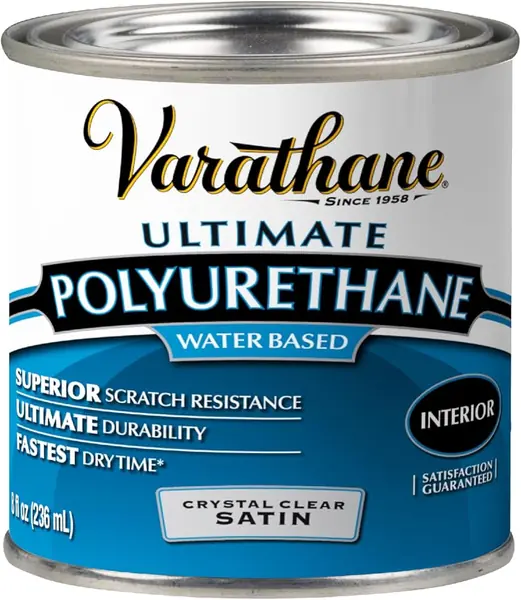
Varathane water-based satin polyurethane in a half-pint metal can

Small refinishing jobs

Shop Score 95/100
Base
Water-based
Finish
Satin
Container Size
Half pint
Coverage
Up to 62 sq ft
View on Amazon

A single dresser or a pair of chair legs is exactly the job for this half-pint. Varathane's water-based satin polyurethane is easy to pour, low odor, and thin enough to brush or wipe on without a lot of fuss. The small can makes sense when you do not want a quart taking up shelf space. The label lists it for interior wood, and that is where we keep it: a dresser, a chair, a small cabinet door.

We like the size more than anything. The finish builds a soft satin sheen that suits painted furniture, and it cleans up with water before it cures. It is not as hard as General Finishes, and the satin film is best for low-wear pieces. On a pale piece, test first because the clarity can vary.

The listed coverage is up to 62 square feet, which is about one small dresser with a little left for touch-ups. Apply thin coats and sand lightly between them; the finish dries quickly and responds well to a light pass with 220-grit. A light sanding is enough to knock down dust nibs without cutting into the color. For a larger project, buy two half-pints rather than stretching one.

Worth Noting

  • Can yellow over white paint
Our Verdict

We like this half-pint for a single dresser or a few chairs because it gives you a clear water-based finish without a quart you may never finish.

Check Latest Price
4.

Krylon COLORmaxx Acrylic Clear Best Spray for Quick Projects

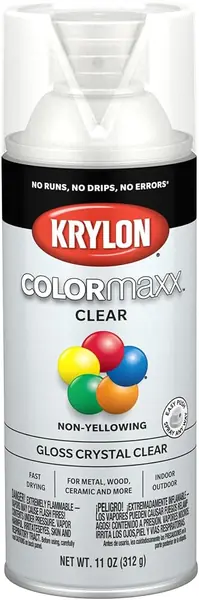
Krylon COLORmaxx clear gloss acrylic spray can with a push-button nozzle

Spray-on projects

Shop Score 94/100
Base
Acrylic
Finish
Gloss
Container Size
11 oz
Coverage
15-20 sq ft
View on Amazon

Carved legs and recessed panels are where a brush starts to fight you. Krylon COLORmaxx in clear gloss is the spray we reach for on those details: the acrylic coating goes on clear, dries fast, and leaves a bright gloss that suits small painted pieces.

The can is 11 ounces, and the finish is non-yellowing indoors or outdoors. We like it on chairs, frames, and small cabinets where a brush would leave marks in the corners. The gloss is bright and clear, not a warm amber. The 11-ounce can is easy to store between projects, and the push-button tip is comfortable for a long touch-up session.

What we appreciate most is the control a spray gives on tricky shapes; a light pass reaches the inside of a spindle without flooding it. The gloss is crisp, and a recoat can go on within four hours or after twenty-four. Keep the passes light and the can moving, because heavy coats can run. For a flat or satin look, this is the wrong finish. On a chair back or a picture frame, that control is worth more than the extra coverage a brush would give.

Worth Noting

  • Covers only 15 to 20 square feet
Our Verdict

We reach for this spray when a brush cannot get into the details; it dries clear and glossy over small painted projects and needs no cleanup.

Check Latest Price
5.

Rust-Oleum Specialty Lacquer Spray Best High-Gloss Finish

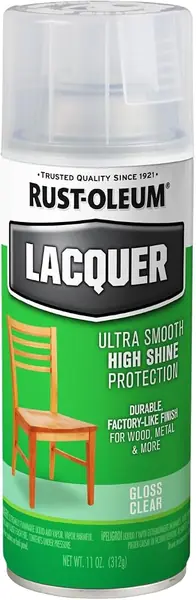
Rust-Oleum Specialty Lacquer clear high-gloss spray can with a nozzle

High-gloss furniture

Shop Score 93/100
Base
Acrylic lacquer
Finish
High gloss
Container Size
11 oz
Coverage
7 sq ft
View on Amazon

The first thing we noticed about Rust-Oleum Specialty Lacquer is how much gloss a few thin passes build. It looks closer to a factory finish than a brushed polyurethane, with a hard, glassy surface that reflects light cleanly. That makes it our pick for small pieces where shine is the point. It is a specialist can, not the first thing we hand a beginner.

It is an acrylic lacquer that dries to the touch in about 20 minutes and can be sanded and recoated for more gloss. We save it for a ventilated workspace because the spray is potent. The fast dry means you can build several coats in a session, provided you work outside or near open ventilation. The finish is interior/exterior rated, but we still do not use it on a piece that needs a soft, low-sheen look.

The spray tip is a simple cone, so even passes take some practice. Keep the can moving and build light coats; heavy passes can pool in corners. A light sanding between coats helps the next layer melt in and keeps the gloss clean. On a small side table, the result is a deep shine that makes a painted color look richer.

Worth Noting

  • Only about seven square feet per can
Our Verdict

This is our pick when you want a hard glassy look on a small piece, so long as you plan the coverage carefully.

Check Latest Price
6.

Jolie Finishing Wax Best Wax Finish for Chalk Paint

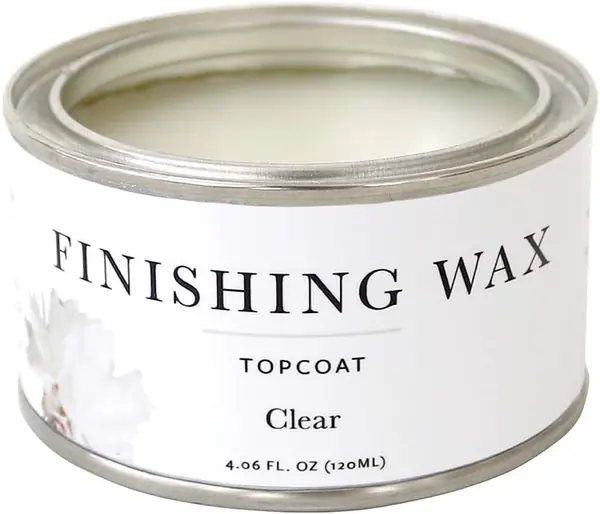
Jolie clear finishing wax in a small round metal tin

Chalk-painted furniture

Shop Score 92/100
Base
Wax
Finish
Matte
Container Size
120 ml
Coverage
75 sq ft
View on Amazon

Chalk paint has a soft, powdery look that a polyurethane can flatten into plastic. Jolie Finishing Wax is the topcoat we choose when we want to keep that texture rather than seal it under a hard film. It is odor-free, non-yellowing, and applies with a wax brush or a lint-free cloth.

The wax goes on creamy and buffs to a low sheen that reads more natural than satin poly. It is a finish for chalk-painted furniture, not a film-forming sealer for a kitchen table that takes daily scrubbing. A little goes a long way: the 120 ml tin covers about 75 square feet, and one thin coat is often enough to start. It does not add a hard plastic shell, so a coaster and a little care still matter.

We like the control the wax gives on carved or distressed pieces because you can add pressure where you want more sheen and leave recesses softer. Thin coats are important; a heavy layer can stay tacky. The result is a soft, touchable finish that looks like aged paint rather than a coating. A lint-free cloth is the best tool for the final buff; it catches the excess wax without leaving fibers behind.

Worth Noting

  • Eight hours between coats
Our Verdict

For chalk-painted furniture that should feel soft rather than plastic, we like this wax; it buffs to a low sheen and lets the paint texture show.

Check Latest Price
7.

Rust-Oleum Chalked Matte Topcoat Best Matte Finish

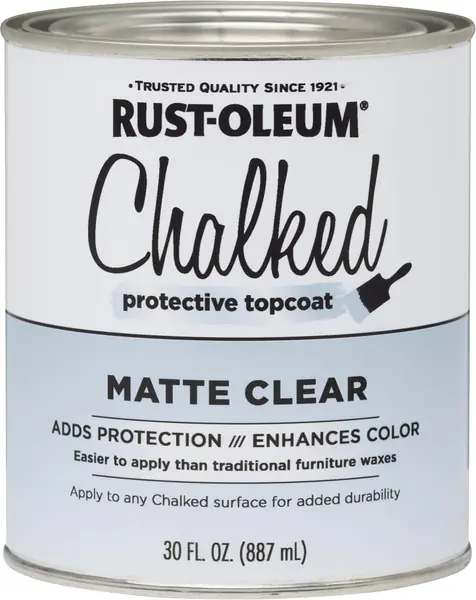
Rust-Oleum Chalked ultra-matte clear topcoat in a thirty-ounce container

Matte chalk paint

Shop Score 91/100
Base
Acrylic
Finish
Ultra matte
Container Size
30 fl oz
Coverage
110-150 sq ft
View on Amazon

Most clear topcoats add a satin or gloss film that can make chalk paint look like vinyl. Rust-Oleum Chalked Ultra Matte is the exception in this group: it dries flat and velvety, keeping the powdery look that made you choose chalk paint in the first place.

The 30-ounce container covers 110 to 150 square feet, and the water-based formula is low odor and cleans up easily. It dries to the touch in about 30 minutes, so a large dresser or cabinet is manageable in a day. Apply it thinly and keep the surface level; the matte finish shows lap marks if you load too much at once.

On dark or highly sealed colors, a test patch is worth the time because a white film can appear. That is not the look you want on a navy cabinet. A thin coat also dries more evenly than a heavy one, so build coverage slowly.

We treat this as a look-first topcoat. It is the one here that keeps a chalk finish looking chalky, and that is worth a lot on a decorative console or a bedroom dresser. The velvety surface is the reason to choose it, and the low sheen stays consistent across a large panel.

Worth Noting

  • May peel on high-traffic pieces
Our Verdict

We keep this for chalk-painted pieces that need a flat velvety topcoat rather than the satin or gloss film most clear finishes leave.

Check Latest Price
8.

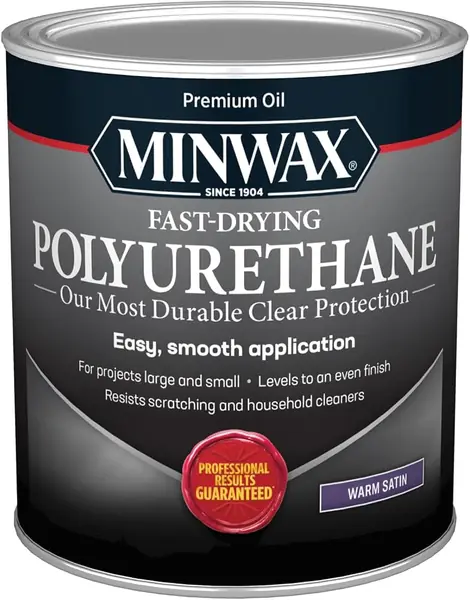
Minwax Fast Drying Polyurethane Best for Dark Painted Pieces

Minwax Fast Drying oil-based satin polyurethane in a one-quart can

Dark painted pieces

Shop Score 90/100
Base
Oil-based
Finish
Satin
Container Size
1 quart
Coverage
250 sq ft per quart
View on Amazon

Oil-based polyurethane is the wrong default for white furniture. The finish is clear, but clear does not mean colorless: on pale paint it can shift the surface toward yellow and make a fresh white dresser look tired.

On a navy dresser or a stained wood top, that same amber cast reads as warmth. Minwax Fast Drying Polyurethane is the can we keep for those pieces, where the oil-based film adds depth that a water-based satin can leave flat. It is also tough, with good resistance to water and scratches. It builds slowly, so a thin coat does not muddy the color underneath.

The quart covers up to 250 square feet. Stir it well, apply thin coats, and sand lightly between them; the finish dries smooth and warm. Work in a ventilated space and give it time to cure before heavy use. A tack cloth between coats keeps dust out of the slow-drying film.

The result is what sells us: on dark paint the satin sheen has a rich, almost hand-rubbed look, and the film feels substantial under a hand. That richness is hard to match with a water-based clear coat. We also like that it does not look glossy; the satin stays low and warm.

Worth Noting

  • Four to six hours between coats
Our Verdict

We reach for this oil-based polyurethane when a painted piece needs a tough satin film with real depth.

Check Latest Price

How We Tested Top Coats on Real Furniture, Not Scrap Wood

We pulled every topcoat we could find that a homeowner can actually buy, then narrowed by base chemistry (water-based, oil-based, acrylic lacquer, wax) along with sheen, can size, and interior versus exterior labeling. The aim was a spread of application methods, not eight versions of the same brush-on quart. Fourteen made the cut, and we spent four months using them on real pieces: a chalk-painted dresser, a run of kitchen cabinet doors, and a kid's desk that gets leaned on and dragged across the room.

Before any of them touched furniture, we painted scrap boards in the same white, cream, and dark green, topcoated each one, and propped them in a sunny window for the length of the test to see which clears stayed clear and which drifted yellow. We eyeballed sheen in daylight and under a lamp, because a satin that looks soft outdoors can read glossy in a living room. On the pieces, we dragged keys across the finish, set down a wet mug, and checked how each coat leveled over paint rather than soaking straight in.

Application got the same scrutiny. We timed every recoat window, then pushed it early on a spare board to see what happened, and weighed cans before and after to get a realistic coverage number. Sprays went on outdoors over cardboard, and we watched for spatter, drips, and leakage at the nozzle; brush-ons were judged on odor, cleanup, and whether they raised the grain. Wax went on as a finish in its own right, never as a film coat over a waxed surface, and we always cut a test patch on a hidden spot first and waited out full cure before setting anything heavy back on a piece.

How to Choose a Top Coat for Painted Furniture

Match the chemistry to the paint color

For white, pale, or cool-toned painted furniture, we prioritize a water-based clear labeled non-yellowing. A can that reads clear does not promise a colorless film: oil-based polyurethane adds warmth, and some water-based products still carry a bright-white warning. Minwax Polycrylic and Krylon COLORmaxx are the straightforward choices for light colors, while Minwax's oil-based polyurethane is better saved for a navy dresser or a stained wood top where an amber shift reads as depth. Test a hidden spot before committing to a whole piece.

Decide how much wear the piece must take

A topcoat on a bedside table and one on a kitchen cabinet do not need the same armor. For daily handling, we look for a film finish with strong scratch and water resistance, such as General Finishes High Performance or Minwax Polycrylic. For a chalk-painted piece that is mostly decorative, a wax like Jolie Finishing Wax or an ultra-matte topcoat can preserve the soft look; neither is the right choice for a table that takes daily scrubbing. Match the finish to the traffic, not just the sheen.

Choose an application you can control

A brush or foam applicator is easier on large flat panels, where you can lay off a thin coat and keep a wet edge. A spray earns its place on spindles, carved legs, and recessed panels. Spray cans cover less than many people expect: Krylon COLORmaxx covers 15 to 20 square feet, and Rust-Oleum Specialty Lacquer only about 7. Lacquer and shellac also need ventilation. Whichever route you choose, build thin coats; heavy passes are what run, pool, and leave drips.

Plan around recoat and cure times

The recoat window determines whether a project takes an afternoon or a weekend. Minwax Polycrylic allows recoats after about two hours, General Finishes after one to two, and the oil-based Minwax polyurethane after four to six. Jolie wax needs eight hours between coats. Dry-to-touch is not the same as fully cured, so keep heavy objects off a fresh tabletop longer than the can's touch-dry time and follow the label for full cure. Cool, humid conditions slow every finish.

Frequently Asked Questions

Final Verdict

For most painted furniture, we recommend Minwax Polycrylic. It brushes out smoothly, stays clear over light colors, and cleans up with soap and water, which makes it the easiest can to live with on a first or second project. If the piece gets daily wear, step up to General Finishes High Performance; its harder water-based film is worth the extra care. For chalk-painted furniture where a soft, matte look matters more than armor, choose Jolie Finishing Wax. Those three cover the common decisions without making you buy a specialty product you do not need.