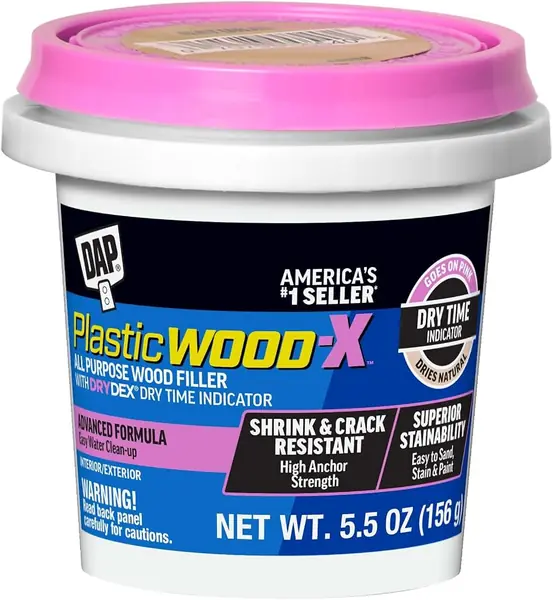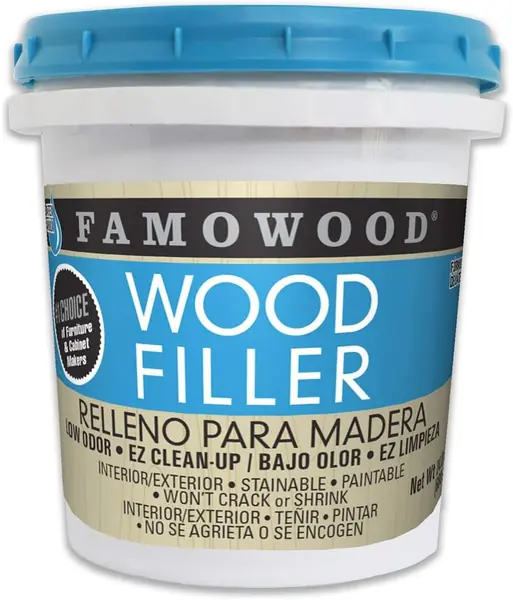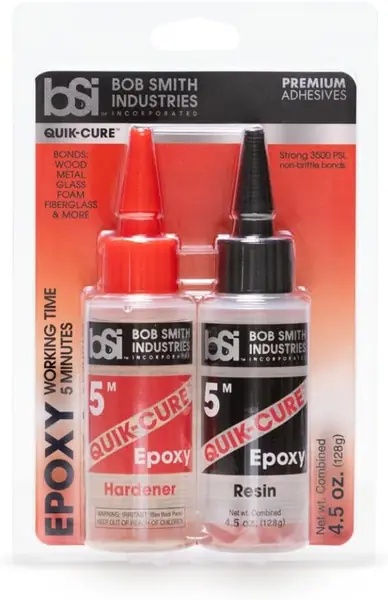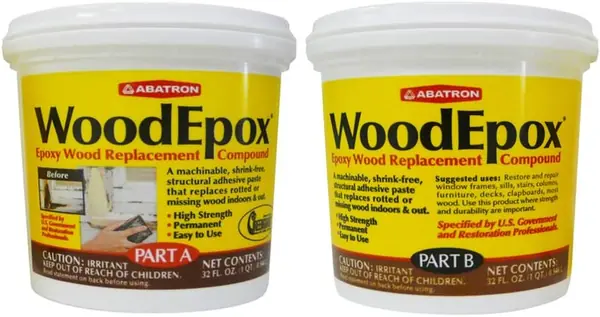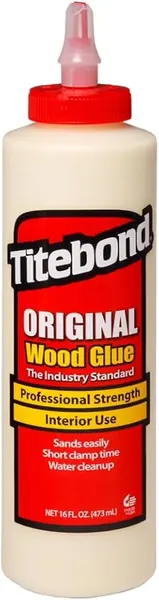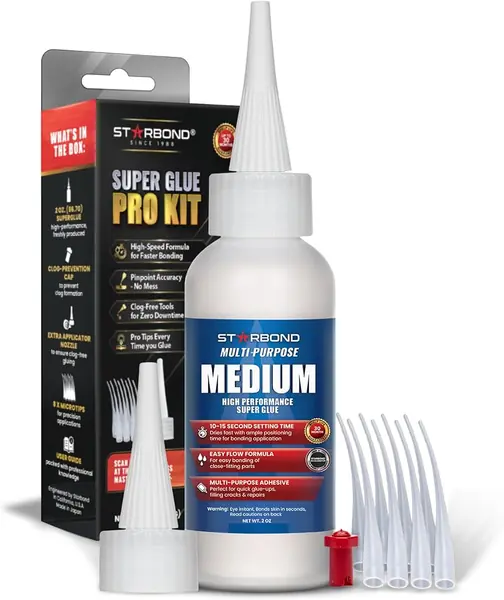
Best Wood Fillers for Plywood Edges of 2026
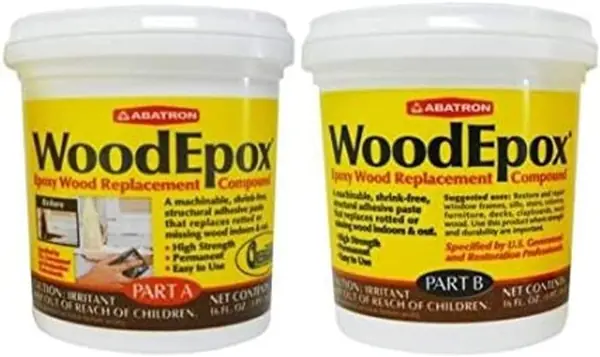
We tested wood fillers on exposed plywood edges to see which ones pack voids, sand flush, and take paint, plus the epoxy we trust for deep or rotted edges.
Every power tool, saw, blade, bit, hand tool and shop gear review on Woodworking Reviews, newest first.
We tested wood fillers on exposed plywood edges to see which ones pack voids, sand flush, and take paint, plus the epoxy we trust for deep or rotted edges.
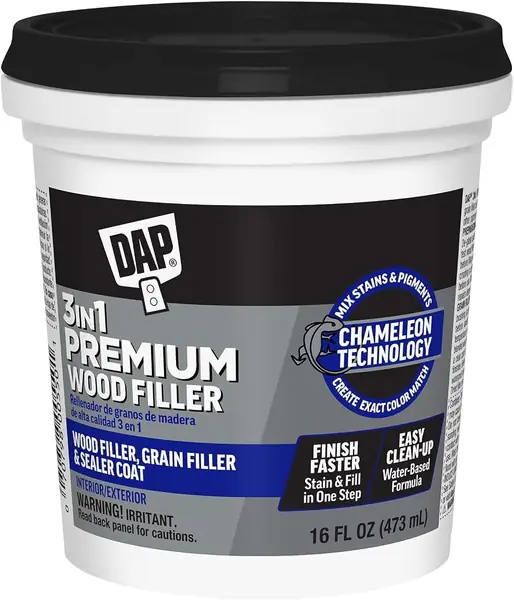
We tested sandable, paintable wood fillers for screw holes and found the best for painted trim, finished oak, exterior repairs, and quick touch-ups.
We tested wood fillers on nail holes, casing splits, and stained trim to find the ones that sand flush, hold tight, and take paint or stain.
We tested latex fillers, two-part epoxies, and powder putties on trim, furniture, and rot. Here's the filler to buy for holes, gouges, or rebuilds.
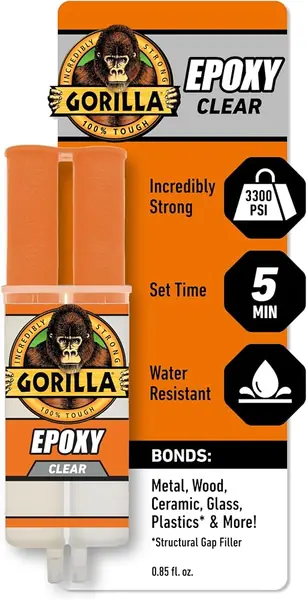
We tested leading fast-cure epoxies for open time, bond strength, and clean dispensing. Find a five-minute formula for wood, metal, and household repairs.
We tested contact cements for laminate countertops and cabinet panels, from low-odor water-based formulas to fast sprays and project-size cans.
We tested two-part epoxies on rotted sills, split slabs, and deep knots to find fills that hold, sand flat, and finish like wood.
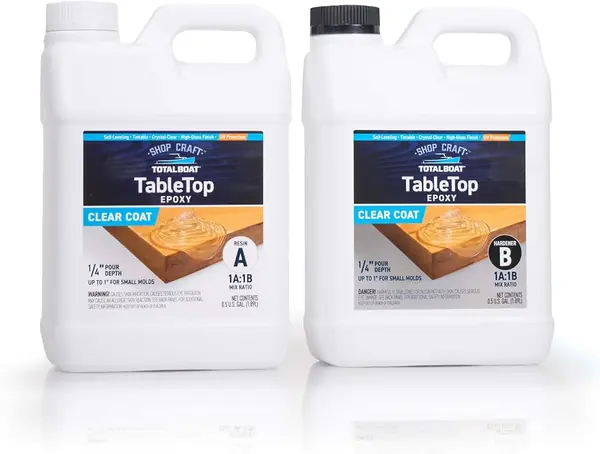
We tested six tabletop epoxies for wood countertops, comparing coverage, heat and scratch resistance, clarity, cure time, and bubble control.
We tested epoxy kits for filling cracks, casting blanks, and coating turned wood. See which cure clearest, hold their clarity, and stay food safe.
We tested two-part epoxies for bonding, filling, and hardening wood. These picks cover clear joints, rotted trim, fast sets, and large restorations.
We tested UV-resistant epoxy kits for outdoor wood tables, bar tops, and small projects, ranking clear finishes by durability, coverage, and ease of use.
We tested six two-part wood rot epoxies on rotted sills, jambs, and trim. Here's what to buy for filling, rebuilding, and hardening soft wood.
We tested four wood glues for veneer work. Our picks cover clean glue lines, long open times, water resistance, reversibility, and budget-friendly bonds.
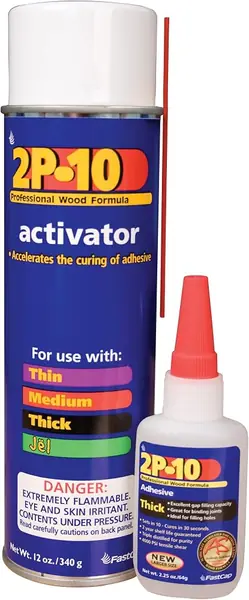
We tested activator kits, water-thin wicking formulas, and tinted fillers to find the best CA glue for tight joints, crack repair, and fast assembly.
We tested glues for bonding acrylic and plexiglass to wood, ranked by stated acrylic compatibility, body, working time, and how cleanly they set.
We tested PVA adhesives on MDF, particleboard, and plywood to find which ones hold, which stay waterproof, and which suit a single small repair.
We tested clear epoxies, polyurethanes, and CA gels to find the best glue for glass to wood, from structural repairs to mosaics.
We tested rubber-toughened CA, gel, and precision glues to find the best leather-to-wood adhesives for flexible seams, tight joints, and tiny repairs.
We tested CA glues for attaching magnets to wood, comparing gap-filling body, working time, and precision tips so you can pick the right bottle.
We tested metal-to-wood adhesives and picked epoxies, polyurethanes, and construction glues for strong, gap-filling bonds indoors and out.
We tested glues for plastic-to-wood repairs, from no-run gels to waterproof construction adhesives, to find the right bond for small fixes and outdoor projects.
The right adhesive has to grip slick rubber and porous wood at once. We tested CA gels, contact cement, and polyurethane to find what actually holds.
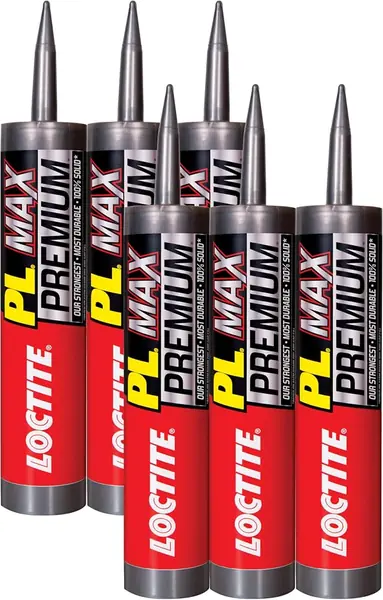
We tested construction adhesives for bonding wood to concrete and masonry, from fast-grab cartridges to waterproof polyurethane, to find the ones that hold.
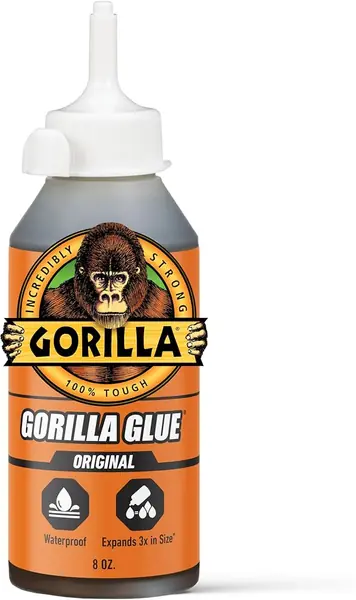
We tested polyurethane wood glues for waterproof, gap-filling bonds. Gorilla Original is our do-it-all pick; Grizzly One wins long glue-ups and wet work goes to D4.